

acid etched glass
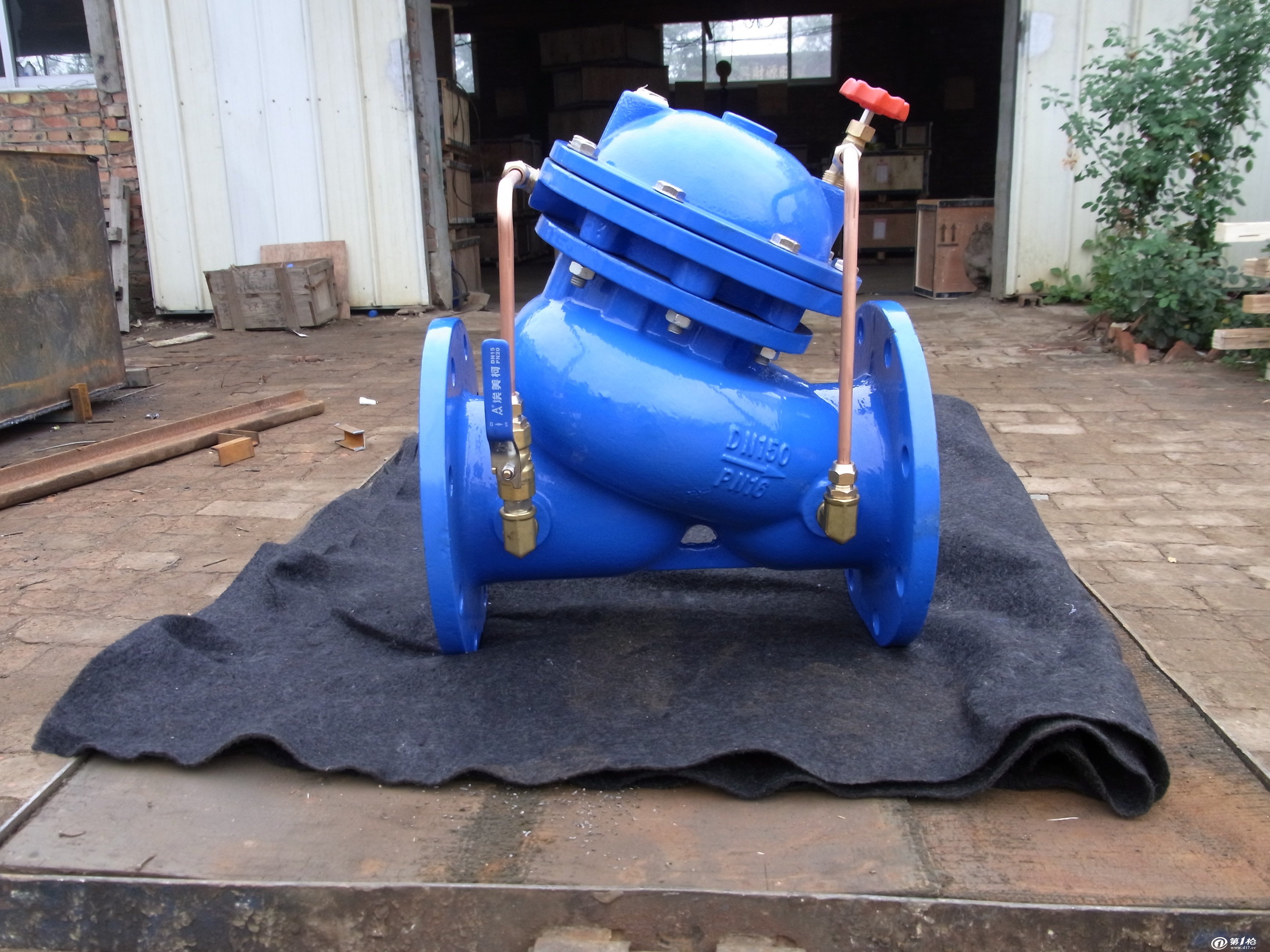
Understanding Metal Check Valves Importance and Applications Check valves are essential components in fluid control systems, ensuring that flow occurs in one direction only. Among the various types of check valves available, metal check valves stand out for their durability, reliability, and wide range of applications across diverse industries. This article aims to provide a comprehensive overview of metal check valves, focusing on their construction, benefits, and common uses. What is a Metal Check Valve? A metal check valve is a mechanical device that allows fluid to flow through it in one direction while preventing backflow. Made primarily from metals such as stainless steel, brass, or carbon steel, these valves are designed to withstand high-pressure environments and challenging operating conditions. The most common types of metal check valves include swing check valves, lift check valves, and diaphragm check valves, each serving unique applications based on their structural design and functionality. Construction and Working Mechanism The construction of a metal check valve typically consists of a valve body, a disc (or closure element), a seat, and a spring (in the case of spring-loaded models). The valve body houses the internal components and connects to piping systems. The disc is the critical component that opens to allow fluid flow when the pressure is sufficient and closes to prevent backflow when the pressure drops. 1. Swing Check Valve This type utilizes a hinged disc that swings open under pressurized flow and closes under backpressure. They are popular in applications where flooding could occur, as they provide a quick response to prevent reverse flow. 2. Lift Check Valve This design features a disc that rises vertically off its seat to permit flow. Lift check valves are typically used in applications requiring high flow rates, such as steam service. 3. Diaphragm Check Valve This type uses a flexible diaphragm to open or close against a seat. It is particularly suited for applications involving slurries or corrosive fluids, as it minimizes the risk of clogging. Benefits of Metal Check Valves Metal check valves offer numerous advantages, making them a preferred choice in many industrial applications. Some of the primary benefits include - Durability Metal check valves are resistant to wear and corrosion, providing long-lasting service life even in harsh environments . metal check valve - High-Pressure Tolerance These valves can handle high-pressure applications, making them suitable for use in oil and gas industries, chemical processing, and power generation. - Reliability Their robust construction ensures that metal check valves maintain functionality and integrity over time, reducing the risk of leakage or failure. - Versatility Available in various sizes and materials, metal check valves can be customized for specific applications, making them versatile in managing different fluid types, including gases. Applications of Metal Check Valves Metal check valves are widely used across numerous sectors, highlighting their importance in modern engineering systems. Common applications include - Oil and Gas To prevent backflow in pipelines and systems transporting crude oil and natural gas. - Water and Wastewater Treatment Ensuring that flow in treatment facilities does not reverse, which could lead to contamination. - Chemical Processing Protecting equipment from back pressure in corrosive environments. - Power Generation Preventing backflow that could damage turbines and other critical components. Conclusion In summary, metal check valves are crucial devices in fluid management systems across various industries, characterized by their durability and reliability. Their ability to prevent backflow ensures system integrity and operational efficiency. As technology advances and industries evolve, the significance of metal check valves will continue to grow, highlighting the need for innovation in their design and application. Understanding their function and deployment can lead to better decision-making in the selection and maintenance of these essential components in fluid control systems.
about
acid etched glass
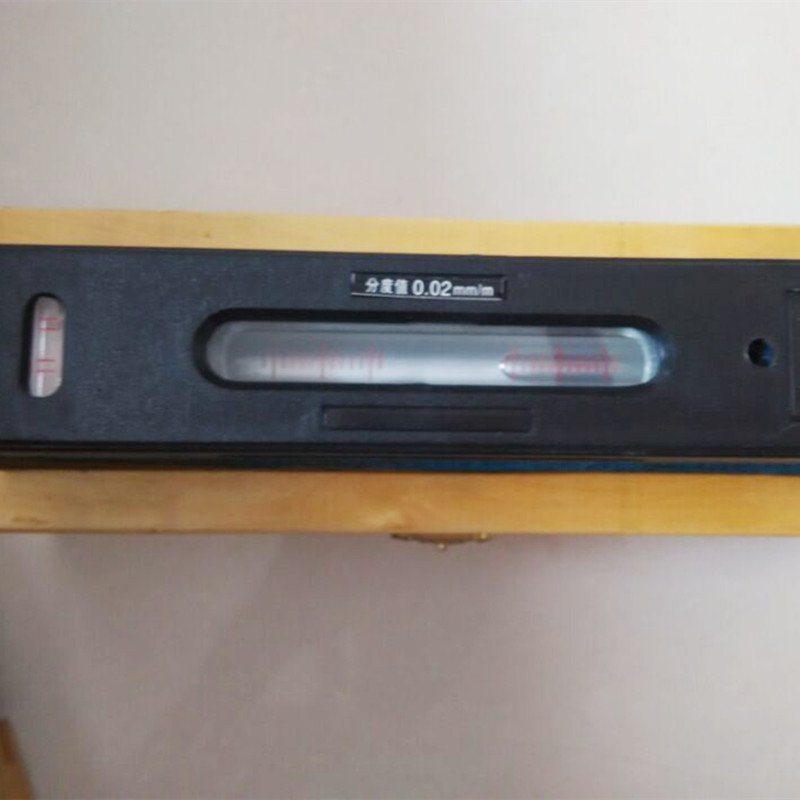
Understanding Tapering Gauges An Overview In the world of manufacturing and mechanical engineering, precision is paramount. Tapering gauges are crucial tools used to measure and assess the dimensions of conical surfaces, such as those found in pipes, tubes, and various fittings. By understanding tapering gauges—how they work, their types, and their applications—engineers can ensure that products meet necessary specifications and operate effectively. What Are Tapering Gauges? Tapering gauges are specialized measuring tools designed to check the taper of a surface. A taper is a uniform reduction in thickness or diameter along a length, often seen in machine parts and fittings. The importance of precise measurements cannot be overstated, as inaccuracies can lead to poor fittings, malfunctioning machinery, or even safety hazards. These gauges typically consist of a series of blades or pins, each calibrated to a specific taper angle. Users employ them to determine whether a given workpiece meets required tolerances. Tapering gauges are particularly useful in industries dealing with piping, automotive components, and aerospace parts, where accurately fitting edges are crucial for function and safety. Types of Tapering Gauges There are several types of tapering gauges available in the market, each designed for specific applications . Here are a few common types 1. Plug Gauges These are cylindrical in shape and are used to check the size of holes. They come in a variety of diameters and taper angles, allowing for versatile applications. 2. Ring Gauges Complementary to plug gauges, these are used to measure the outer diameter of cylindrical objects. They offer a quick way to assess the compatibility and fit between mating parts. 3. Feeler Gauges While they are not exclusive to taper measurements, feeler gauges can be used to check the gap or alignment in tapering structures by inserting blades of varying thickness. tapering gauges 4. Electronic Taper Gauges With advancements in technology, electronic taper gauges are becoming increasingly popular for their precision and ease of use. These gauges provide digital readings, simplifying the measurement process and minimizing human error. How to Use a Tapering Gauge Using a tapering gauge is a straightforward process. The first step involves selecting the appropriate gauge based on the angle and size of the taper to be measured. Inspect the tapering surface and insert the gauge until it fully engages the taper. A proper fit indicates that the workpiece is within the specified tolerances. If there is any gap, it signals that the surface might be out of specification. It’s worth noting that these gauges should be handled with care. Regular calibration and maintenance are recommended to ensure accurate measurements over time. Even a small deviation in the gauge can lead to significant errors in measuring the workpiece, resulting in costly mistakes in production. Applications of Tapering Gauges Tapering gauges find applications in various industries. In the automotive sector, they are essential for checking the conformity of engine components, ensuring that parts are manufactured to precise specifications for optimal performance. In pipe fittings, tapering gauges help ensure that pipes and connectors fit together correctly, which is critical in systems that require tight seals to prevent leaks. In aerospace, where every component undergoes stringent quality control, taper gauges play a critical role in assessing parts that must withstand extreme pressure and environmental conditions. Any precision variances can have severe consequences, making accurate measurements an integral part of manufacturing processes. Conclusion Tapering gauges are indispensable tools in the realm of precision engineering. They ensure that components fit together correctly, maintaining the reliability and safety of machinery and products. With various types to choose from, including traditional mechanical gauges and modern electronic versions, the significance of tapering gauges is evident across multiple industries. Understanding their use and maintaining their calibration is vital for engineers to deliver quality products that meet legal and safety standards. As industries continue to evolve, the role of tapering gauges will undoubtedly remain critical in the pursuit of precision and excellence in manufacturing.
-

High quality industrial productsagement

High quality industrial products
View Details -

Meet the diverse needs of customers

Meet the diverse needs of customers
View Details -

Strict quality control

Strict quality control
View Details -

Top raw materials

Top raw materials
View Details -

Trusted supplier

Trusted supplier
View Details
Our application


news and information
Y-Type Cast Iron Strainers for Efficient Fluid Filtration Solutions
Understanding Cast Iron Y-Type Strainers A Comprehensive Overview Strainers play an essential role i
water valve
Understanding Water Valves A Key Component in Fluid Control Systems Water valves are crucial compone
water flow control valve types
The innovative technology behind water control valves has dramatically revolutionized the way indust
 English